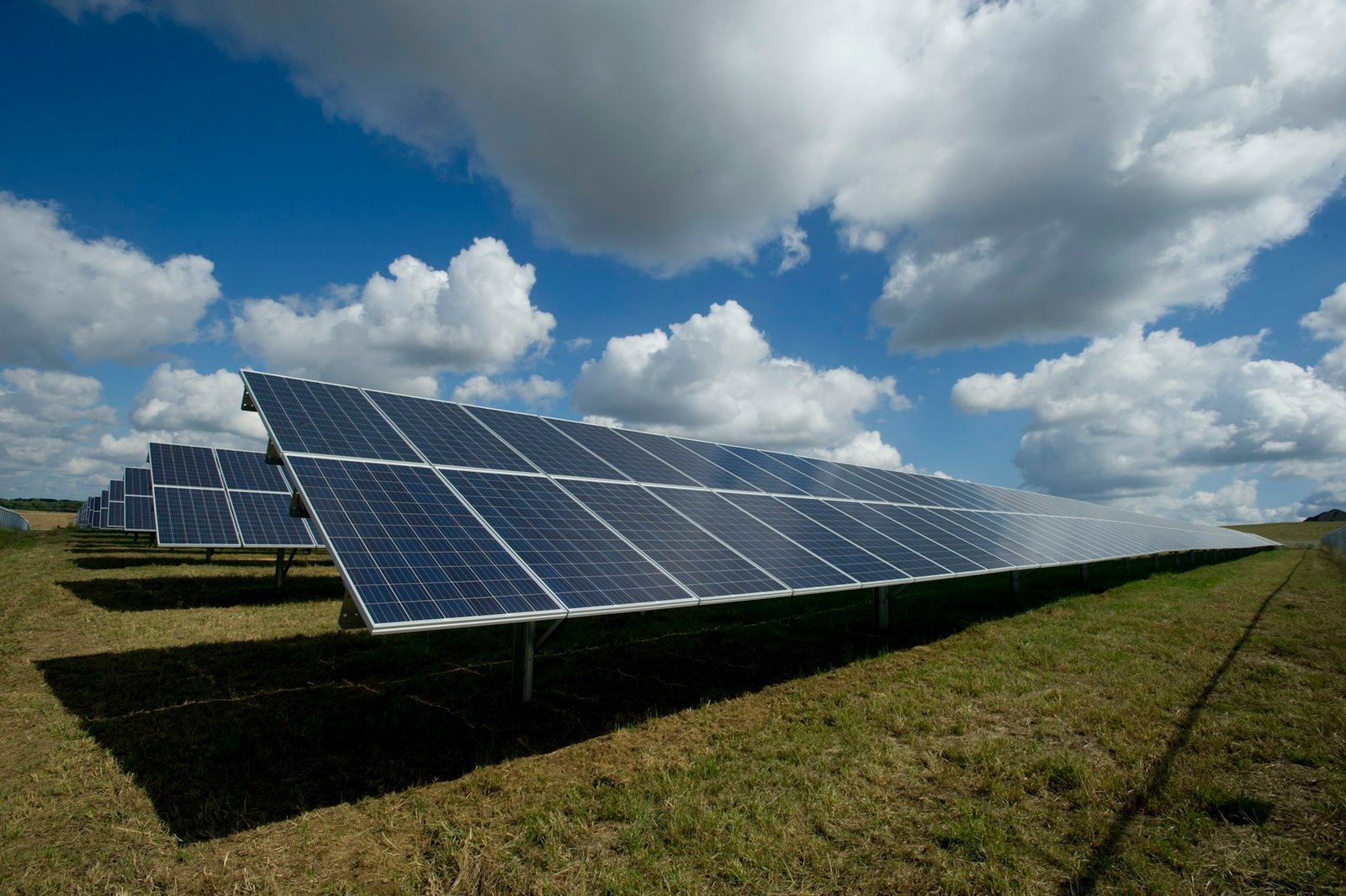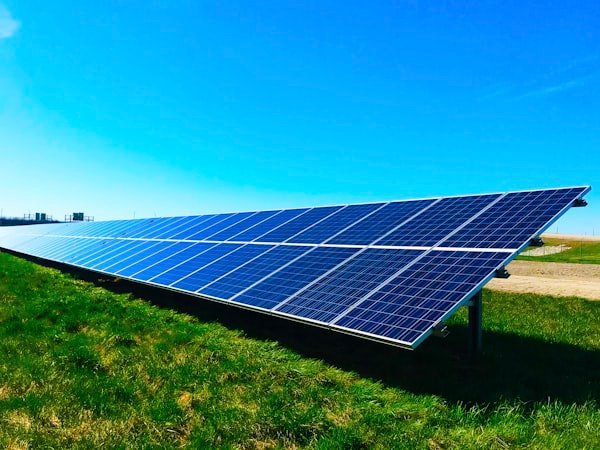
An on-grid solar system, also known as a grid-tied or grid-connected solar system, is connected to the public electricity grid. This type of system allows you to generate your own electricity, use it in real-time, and feed any excess back into the grid. With net metering, you receive credits for the surplus energy you export, reducing your overall electricity bill.
Maximize your energy efficiency and reduce electricity costs with our On-Grid Solar System Solutions. Perfect for residential, commercial, and industrial applications, our on-grid systems are designed to seamlessly integrate with the local power grid, providing clean, renewable energy while offering financial benefits through net metering.
Estimate the energy production and savings for your on-grid solar system. Simply input the desired capacity (in kW) to see how much energy your system will generate annually and monthly, along with the potential savings on your electricity bill.
The cost of an on-grid solar system can vary significantly depending on several factors, including:
Return on Investment (ROI) is a key metric used to evaluate the profitability of an investment. In the context of solar systems, ROI measures the financial benefits gained from the solar installation relative to its cost. Essentially, it helps you determine how long it will take to recoup your investment and start saving money.
ROI is calculated using the formula:
ROI = (Net Profit / Total Investment) × 100
Let's consider a practical example to illustrate ROI for a 5 kW on-grid solar system:
An On-Grid Solar System, also known as a grid-tied or grid-connected solar system, is designed to work seamlessly with the local electricity grid. Here's how it functions:
The solar panels installed on your rooftop or other suitable locations capture sunlight and convert it into direct current (DC) electricity.
The DC electricity produced by the solar panels is sent to an inverter, which converts it into alternating current (AC) electricity. AC is the standard form of electricity used by household appliances and the power grid.
The converted AC electricity is then used to power your home, office, or industrial facility. During daylight hours, solar energy can cover a significant portion, if not all, of your energy needs.
Any excess electricity generated by your solar panels that isn't immediately used is fed back into the local power grid. This surplus energy can earn you credits through a process known as net metering.
At night or during cloudy days when your solar system isn't producing enough energy, your system automatically draws electricity from the grid to meet your power requirements. The net metering credits accumulated during high production periods can offset the cost of this grid-supplied electricity.
A special meter tracks both the energy you consume from the grid and the excess energy your solar panels send back. This way, you're billed only for the "net" energy you use (total consumption minus total solar production).
An on-grid solar system is connected to the main electricity grid. It uses solar panels to generate electricity and allows you to feed excess power back into the grid, earning credits or reducing your bills.
No, on-grid systems typically shut down during a grid outage for safety reasons to prevent backfeeding electricity into the grid.
Net metering is a system where excess solar energy you feed into the grid is credited to your account, offsetting the electricity you draw from the grid at other times.
High-quality on-grid solar systems can last 25-30 years or more, with solar panels typically having performance warranties of 25 years.
No, on-grid systems don't require batteries by default, but you can add them for backup power during outages if you wish.
Typically, you need about 80-100 square feet of shadow-free space per kW of solar panels, but this can vary based on panel efficiency.