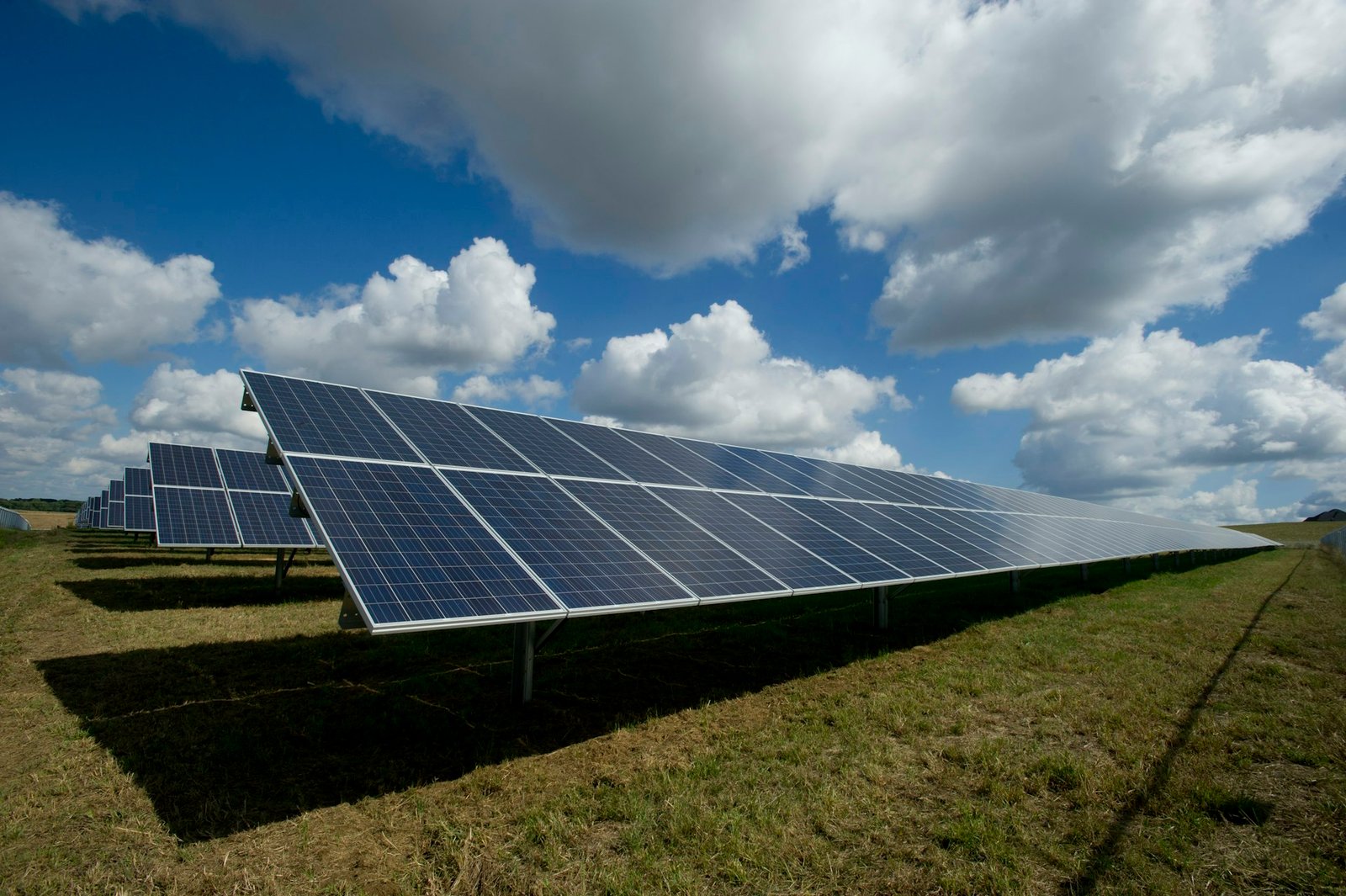

Electric scooters, e-rickshaws and cars are now a common sight on the roads of Raigarh, and the next question for every owner is simple: where do I charge, and what will it cost? A solar-powered charging point answers both. With Solar EV Charge in Raigarh, the electricity that fills your battery is produced on your own roof, during the same sunny hours when most vehicles sit parked at home or at the workplace. Voltiva Energy plans, supplies and installs these systems from our Krishna Complex office in Raigarh.
Why solar suits EV charging in Raigarh
Raigarh receives strong sunshine for most of the year, and the hours between ten in the morning and four in the afternoon are exactly when a parked vehicle can absorb the most energy. Charging from the grid at night is convenient, but you pay the full tariff for every unit. A solar charger shifts a large part of that demand to free daylight generation, and any surplus can be used by the rest of your building.
There is also a practical reason. Fuel prices move, and so do power tariffs, but sunlight does not send a bill. Once the panels are on the roof, the cost of each kilometre you drive is largely fixed. For a family that drives thirty to forty kilometres a day, or a shop that runs two delivery scooters, the saving builds up steadily month after month.
What our solar EV charging package includes
Every project starts with a rooftop assessment. We check shadow-free area, roof strength, the distance from the panels to your parking spot and the capacity of your existing electrical connection. From this we recommend the number of panels, the inverter type and the charger rating that match the vehicles you actually own.
A typical package contains solar modules, a grid-tied or hybrid inverter, mounting structures, DC and AC cables, protection devices, earthing, and a wall-mounted or pedestal EV charger. For two-wheelers and three-wheelers we provide standard AC charging points. For cars, we size the system around the onboard charger of the model you drive, so the installation is neither oversized nor short of power.
Home, society and commercial installations
Home owners usually want a compact charger near the garage that works with their rooftop plant. Housing societies need metered charging so each resident pays only for the energy used. Hotels, hospitals, showrooms and offices in the city want visible charging points that attract customers and employees who drive electric. Fleet owners such as school transport operators and last-mile delivery businesses look for several chargers on one solar array to cut daily running costs.
We design each of these differently. A society project may include a separate sub-meter for every bay and a simple billing record, while a showroom may need a branded pedestal and cable management that looks tidy for visitors. Tell us how you plan to use the charger and we will shape the layout around it.
How the system works, step by step
Solar panels turn sunlight into direct current. The inverter converts it to alternating current that your building and the EV charger can use. During the day the charger draws first from the solar supply, and the grid fills any gap when the vehicle needs more than the panels are producing. If you add a battery, the system can also store midday energy for evening charging, though most customers in Raigarh begin without storage because daytime charging already delivers the biggest savings.
Smart chargers let you set a charging window, monitor energy used through a phone app and prevent overload on the main supply. Safety is built in through earth-leakage protection, surge protection and temperature monitoring, which we test before handover.
Cost, savings and payback
The price depends on system size, the charger type and the condition of your wiring. A small installation for one two-wheeler is far cheaper than a multi-bay commercial point, so we give a written quotation only after the site visit. As a general guide, owners who drive regularly and charge during daylight often recover their investment within a few years, and the panels continue producing power for twenty-five years or more.
Government incentives for solar and electric mobility change from time to time, and eligibility depends on the scheme, the category of customer and state-level rules. Our team keeps track of the current position with the Chhattisgarh renewable energy authorities and tells you plainly what applies to your project instead of promising benefits that may not be available.
Why choose Voltiva Energy in Raigarh
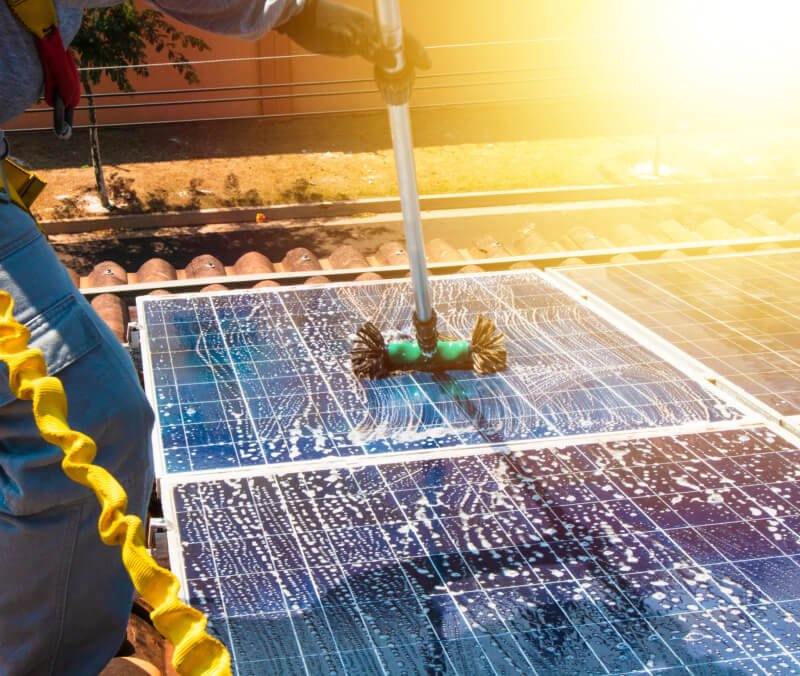
We are a local team with an office in Krishna Complex, so site visits, commissioning and later service calls do not depend on a technician travelling from another city. We use tested components from established manufacturers, follow standard installation practices and explain every step in simple language. After installation we remain your point of contact for warranty, cleaning advice and performance checks. If you are searching for Solar EV Charge in Raigarh, a call to our team is the quickest way to find out what your site can support.
Frequently Asked Questions
Can I charge my electric car directly from solar panels?
Yes. The panels feed an inverter, and the inverter supplies the EV charger. When the sun is weak or the car needs more power than the panels give, the grid tops it up automatically, so charging is never interrupted.
How many solar panels do I need for an electric two-wheeler or car?
A scooter that covers about thirty kilometres a day may need only one or two panels worth of generation, while a car driven forty to fifty kilometres a day usually needs a rooftop system of around three kilowatts. We calculate the exact figure from your vehicle and driving pattern during the free site visit.
Is Solar EV Charge in Raigarh possible for an apartment or society?
Yes, subject to approval from the society committee and a suitable shared roof or parking shade. We can install metered charging bays so every resident pays for the units they use.
Do I need a battery for solar EV charging?
Not necessarily. If your vehicle is parked at home or at work during daylight, the system can charge it directly. A battery is useful mainly when you charge only at night and want to use solar energy stored from the day.
How long does installation take?
Most residential projects are completed within a few days after the design is approved and materials arrive. Larger commercial charging points take longer because of electrical upgrades and approvals.