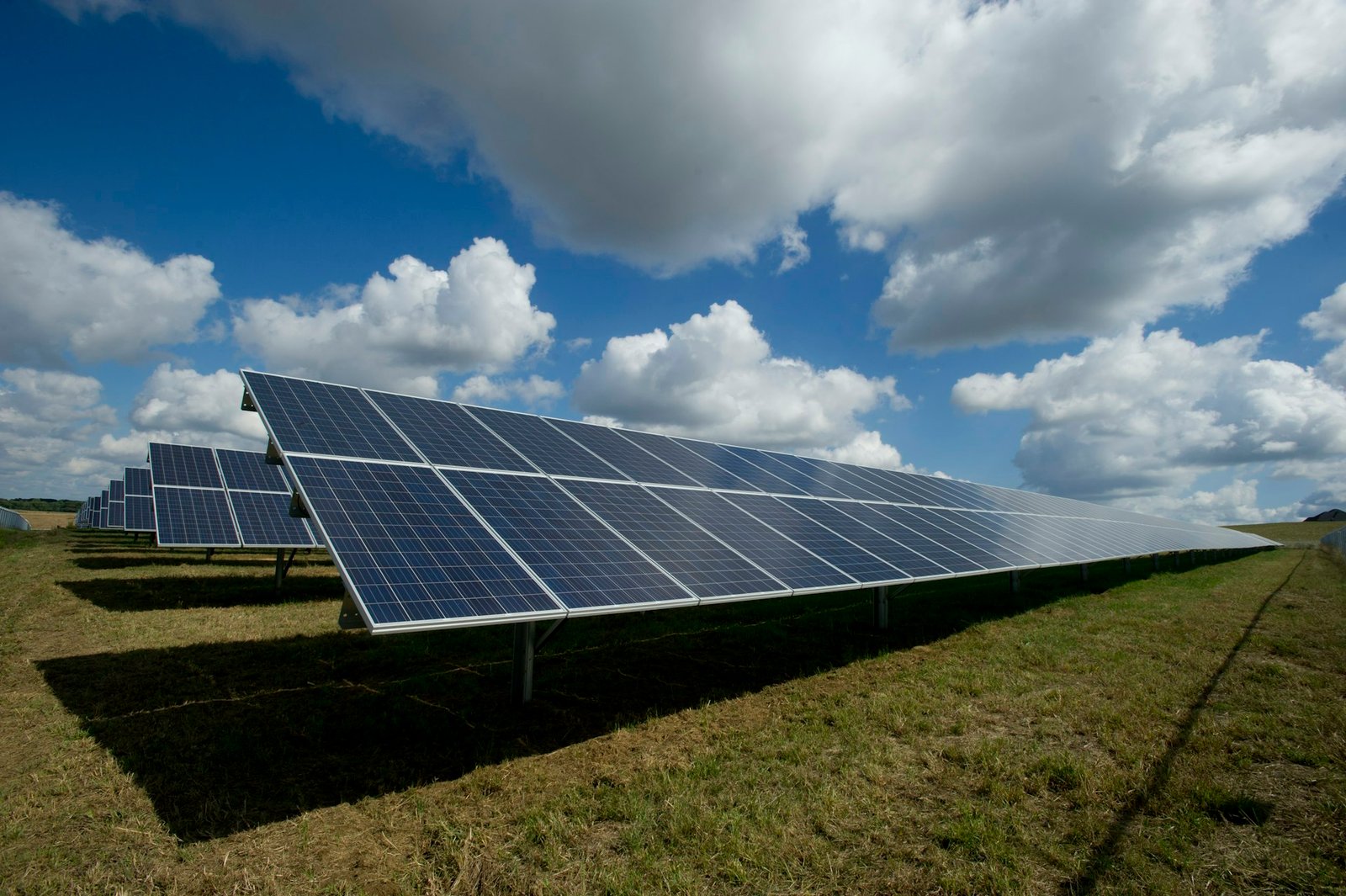
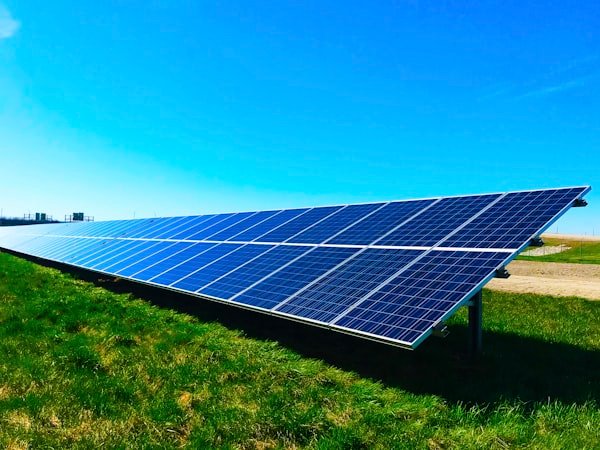
Electricity bills in a growing city like Raigarh rarely go down on their own. Air conditioners, water coolers, workshop machines and cold storage all add to the load, and every unit is charged at the utility tariff. A grid-connected rooftop plant changes that equation. When you install an On-Grid Solar System in Raigarh, your roof becomes a small power station that runs alongside the utility line, reducing the units you buy and sending extra energy back to the grid.
What an on-grid system actually is
An on-grid, or grid-tied, system consists of solar modules, a grid-tie inverter, mounting structures, cabling, protection gear and a bidirectional meter. It has no batteries. During daylight your building uses the solar power first, and anything it cannot use flows into the network. At night or on cloudy days the grid supplies your needs as usual. Because there is no battery to buy or replace, this is the lowest-cost way to go solar.
One point deserves a clear mention. A standard grid-tied inverter shuts down when the grid fails, as a safety measure for line workers. If your priority is power during outages, you should consider a hybrid or off-grid design. We will help you decide which suits you better.
Net metering and how you earn from surplus power
Net metering lets the utility record the energy you export and the energy you import, then bills you only for the difference. In Chhattisgarh the process is handled through the distribution company, and it involves an application, technical feasibility, inspection and meter replacement. Our team prepares the documents, coordinates the inspection and follows the file until your plant is commissioned, so you do not have to chase offices yourself.
Rules, capacity limits and credit settlement periods can be revised by the regulator, so we confirm the current conditions at the time of your application rather than quoting outdated terms.

Choosing the right capacity
Capacity depends on your monthly consumption, the shadow-free roof area and your budget. As a rough guide, one kilowatt of solar needs about ten square metres of clear roof and generates around four units on an average sunny day. A household using three hundred units a month may be well served by a three kilowatt plant, while a small factory or school may need thirty kilowatts or more.
Instead of selling you the biggest system, we study twelve months of your bills, check connected load and recommend a size that offsets the units you really use. Oversizing wastes money, and undersizing leaves savings on the table.
Residential, commercial and industrial rooftops
For homes we usually install on RCC terraces with galvanised structures raised high enough for cleaning access and water tank clearance. For shops, schools and hospitals, the daytime load matches solar generation well, so payback tends to be quicker. For industrial sheds around Raigarh, we design lightweight rail-based or roof-clamp mountings suited to metal sheets, along with higher-capacity three-phase inverters and monitoring.
Dust is a fact of life in an industrial district, so we plan cleaning access and advise on a cleaning schedule that keeps output steady.
Subsidy and financing support
Central and state programmes for rooftop solar, such as the PM Surya Ghar Muft Bijli Yojana for eligible residential consumers, have specific conditions on capacity, category and approved vendors. We explain what may apply to you, help with registration steps where needed and give you a clear cost sheet that shows the system price before and after any incentive. Several banks also offer solar-friendly loans, and we can supply the technical documents they ask for.
A short checklist before you apply
Preparation saves weeks. First, confirm that the roof is yours or that you hold written permission from the owner. Second, keep your last twelve electricity bills and your consumer number ready, because the sanctioned load decides the maximum plant size the utility will approve. Third, note any tall trees, neighbouring buildings or water tanks that cast shade between nine in the morning and three in the afternoon, since these hours produce most of your energy.
Fourth, have the roof inspected. Older terraces with weak waterproofing should be repaired before panels go on, and sheet roofs need a check of purlin strength. Fifth, decide how you will use the savings. Many families in Kharsia, Gharghoda and Tamnar prefer to keep the plant slightly smaller and finish payment sooner, while industries often choose maximum capacity to offset daytime machine load. Our engineers walk through these points with you during the survey and put the final plan in writing, so nothing is left to guesswork.
Installation, monitoring and after-sales care
Our process runs in six clear stages: site survey, design and quotation, material supply, installation, net-meter approval and commissioning. After handover you can track daily generation through the inverter app and compare it against the expected output. We offer cleaning guidance, periodic inspection and quick service support from our Raigarh office. For anyone comparing options for an On-Grid Solar System in Raigarh, we provide transparent specifications, so you can see the brand, wattage and warranty of every component in your quote.
Frequently Asked Questions
How much can I save with an on-grid solar system?
Savings depend on plant size and your tariff, but a well-sized system commonly removes a large share of the monthly energy charge. We show an estimated generation and savings figure in your quotation.
Will an on-grid solar system work during a power cut?
A standard grid-tied inverter switches off when the grid is down for safety reasons. If you need backup, ask us about a hybrid system with a battery.
How long does net metering approval take?
The timeline varies with the utility's workflow and inspection schedule. We submit a complete application and keep following up so the process moves without delay.
What is the lifespan of rooftop solar panels?
Quality panels are designed to work for twenty-five years or more, with a gradual drop in output each year. Inverters usually need attention or replacement within ten to fifteen years.
Does Voltiva Energy install an On-Grid Solar System in Raigarh for factories?
Yes. We handle small shops as well as larger industrial and institutional rooftops, including design, structure, three-phase inverters and net metering.