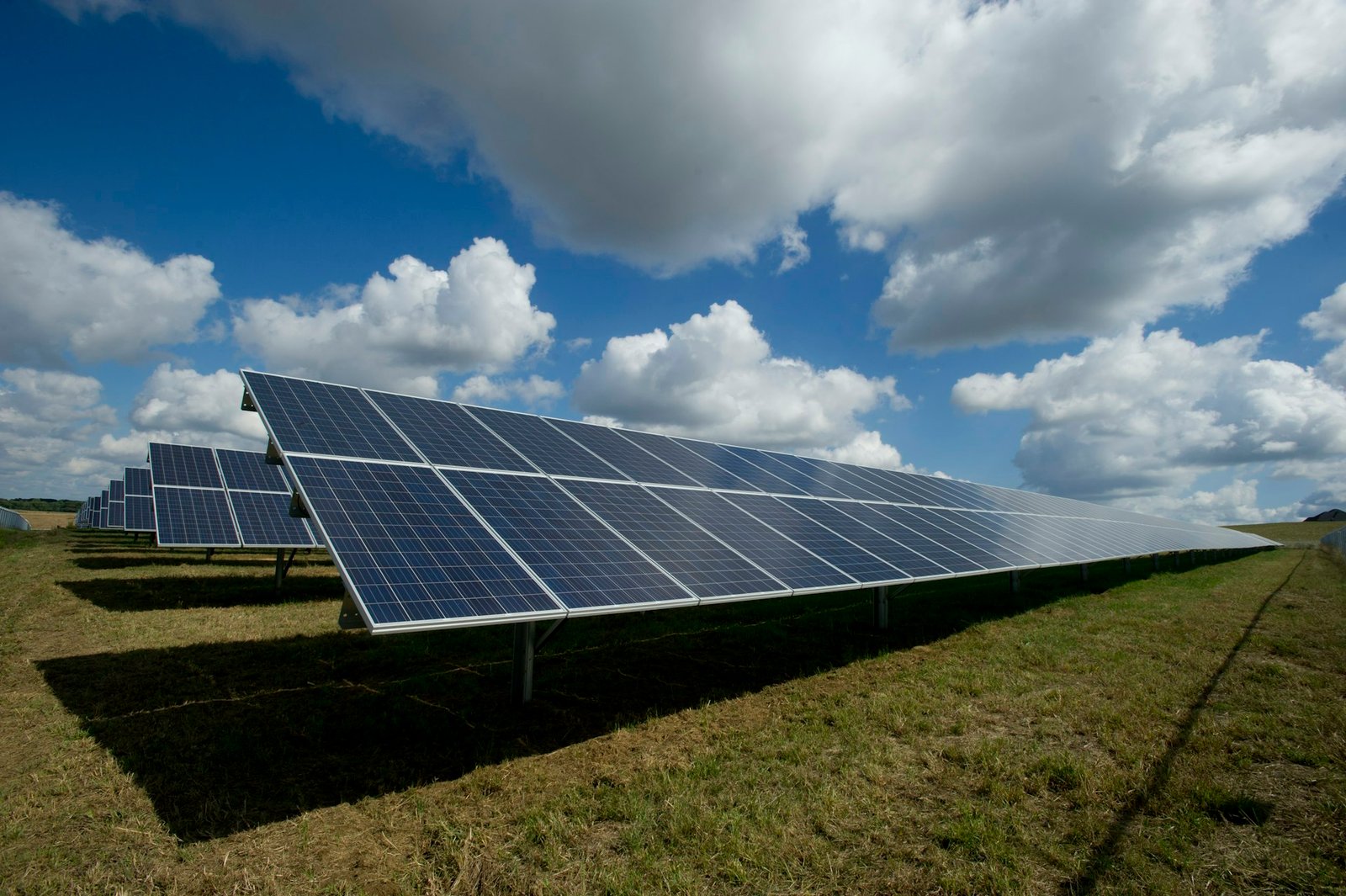

For a farmer in the Raigarh region, water decides the harvest. Yet running a pump on diesel means rising fuel costs and noisy engines, and running it on grid power means waiting for supply that often arrives at night or in short, unpredictable spells. A solar pumping system removes both problems. When you choose a Solar Water Pump in Raigarh, the pump works in the daytime, exactly when crops need water and the sun is strongest, and it costs almost nothing to run.
How solar pumping works
The system is refreshingly simple. Solar panels send direct current to a pump controller, which adjusts the pump speed according to the sunlight available. As the sun climbs, the pump delivers more water, and as it sets, the flow slows and stops. There is usually no battery involved, which keeps cost and maintenance low. Water is pumped into a tank, a pond or directly into the field through drip or sprinkler lines.
Because the controller protects against dry running, over-voltage and under-voltage, the motor lasts longer than a conventional pump that runs on fluctuating grid supply.
Types of pumps we supply
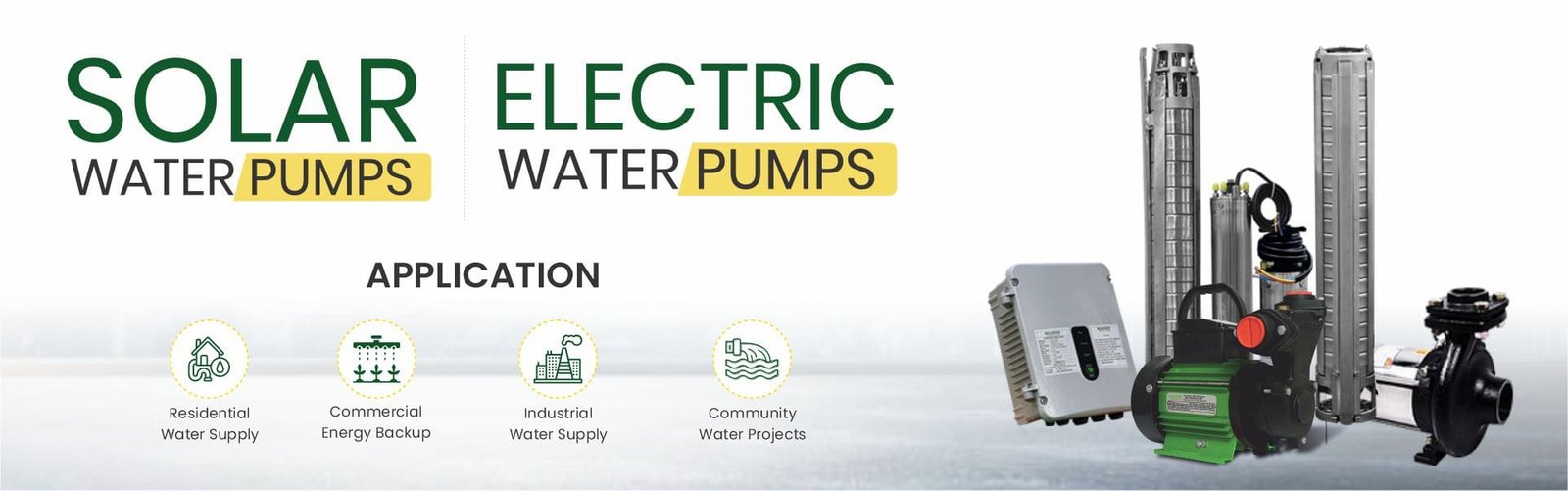
Submersible pumps sit inside a borewell or open well and suit deep water tables. Surface pumps work well for ponds, canals and shallow wells. Both are available in DC and AC versions, and the choice depends on the depth, the required flow and the total head the water must climb. For a small vegetable plot, a half horsepower set may do. For several acres of paddy, a larger pump of three to five horsepower or more may be necessary.
We ask for borewell depth, water level, daily water need and the distance to the field before suggesting a model, because a wrong match wastes both power and money.
Matching the system to your land and crop
Paddy, vegetables, maize, pulses and orchards each draw water differently, and so does the season. A rabi crop in dry months may need irrigation every few days, while in the monsoon your pump may rest. We help you calculate the daily litres required, then select panel wattage and pump rating that meet the peak demand. Pairing the pump with drip irrigation can stretch the same water across more land, which is valuable where borewell yield is limited.
Government support for solar pumps
Programmes such as PM-KUSUM have supported solar pumps for farmers in several states, and Chhattisgarh has run its own initiatives through the state renewable energy agency. Eligibility, subsidy shares, pump capacities and application windows change from time to time, so we do not quote fixed numbers here. Our team checks the current position, guides you through documentation and tells you whether your category can claim any benefit. If you plan to buy outside a scheme, we provide a straightforward private quotation.
Savings compared with diesel and grid pumps
A diesel pump consumes fuel every hour it works, and the engine needs frequent servicing. Even a modest set can burn a significant amount of money in a single season. Grid connections carry their own charges, and many farmers face delays in getting a new agricultural connection at all. A solar pump has no fuel bill, no meter reading and very little maintenance beyond cleaning the panels and checking joints. Over the long life of the panels, usually twenty-five years, the total cost of ownership is much lower.
Beyond farming: villages, schools and cattle sheds
The same technology fills overhead tanks for drinking water in small settlements, supplies school and hostel campuses, and provides water for dairy units and poultry farms. Community pumping sets can serve many households from a single borewell without a monthly electricity charge for the panchayat. When villagers ask for a Solar Water Pump in Raigarh, we plan the tank height, pipeline route and tap points together, so water reaches people reliably.
Serving farms across the Raigarh district
Our team travels beyond the city to reach farmers in Kharsia, Gharghoda, Tamnar, Lailunga and Dharamjaigarh. Soil, water depth and cropping patterns differ from one block to another, so each visit begins with a conversation about your land. We ask which crops you grow, how many months you irrigate and whether you already own drip pipes or tanks.
Many farmers also want a plan for the months when the pump is idle. A well-designed array can run a small grain mill, a chaff cutter or lighting for the farm house when irrigation is not needed, provided the controller and wiring are chosen with that in mind. We discuss such options at the start, because adding them later is harder and costlier. Written warranties, a handover demonstration and a service number you can call directly come with every supply.
Installation and care
We install a rust-resistant mounting structure at the right tilt, secure the panels against wind and animals, lay cables with proper protection and set up the controller in a shaded, safe spot. After commissioning, we measure the actual flow and show you how to read the display. Cleaning the panel surface every week or two keeps output high, and our Raigarh team remains available for service and spare parts.
Frequently Asked Questions
Does a solar pump work without a battery?
Yes. Most solar pumps run directly on sunlight and store water in a tank instead of storing electricity in a battery. This keeps the system simple and affordable.
What size solar pump do I need for my farm?
It depends on borewell depth, daily water requirement and area under irrigation. We collect these details during the site visit and recommend the pump and panel capacity that fit.
Can a solar pump run at night?
Not directly, since it relies on sunlight. Most farmers pump during the day into a storage tank or use drip lines, and then draw water as needed. Battery-backed pumping is possible but adds cost.
Is the Solar Water Pump in Raigarh eligible for a subsidy?
That depends on the current scheme conditions, your category and land details. Our team checks the latest eligibility with you before you decide.
How much maintenance does a solar pump need?
Very little. Regular panel cleaning, a check of cable joints and occasional inspection of the pump are usually enough.