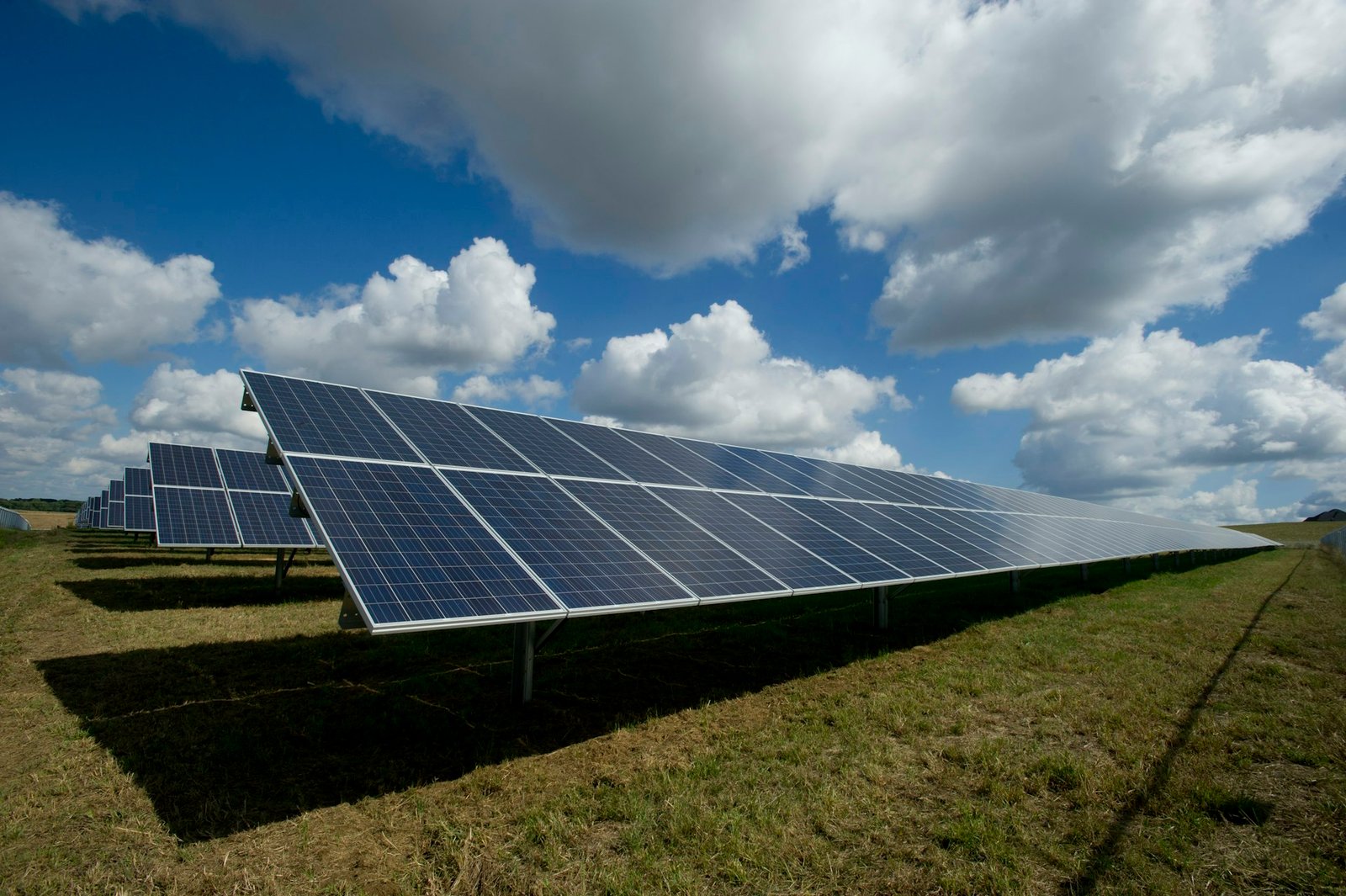
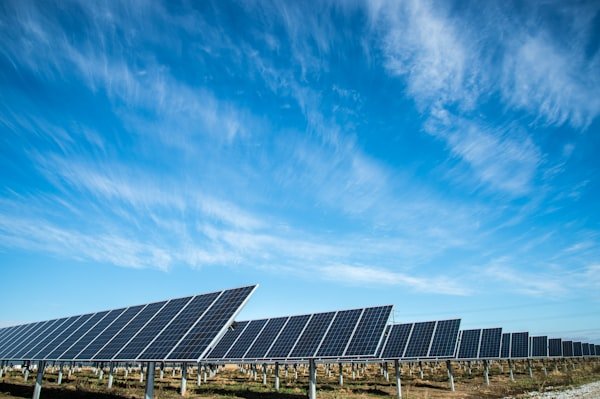
Not every home, farm house or workshop around Raigarh enjoys steady electricity. Some places have no line at all, while others suffer long outages in the monsoon or voltage drops that damage equipment. For these situations a standalone design makes sense. An Off-Grid Solar System in Raigarh produces power from sunlight, stores it in batteries and delivers it whenever you need it, with no dependence on the utility.
How a standalone solar power system works
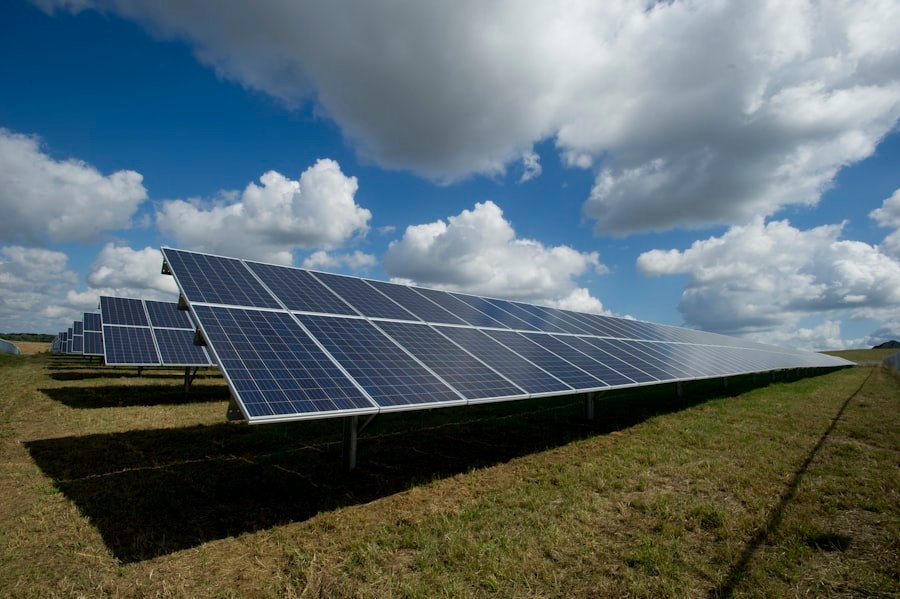
Solar modules charge a battery bank through a charge controller, usually an MPPT type that extracts the most energy from the panels. An inverter then converts battery power into the alternating current that lights, fans, pumps and appliances use. Because the battery stores energy, you can run loads after sunset and through cloudy spells, as long as the system has been sized correctly.
Sizing is the heart of the job. Too few batteries and the supply fails at night. Too few panels and the batteries never reach full charge. We list every appliance, note its wattage and running hours, add a safety margin and calculate panel capacity, battery storage and inverter rating from that load profile.
Where off-grid solar makes the most sense
Farm houses and orchards beyond the last electricity pole are the classic case. Telecom sites, roadside dhabas, small mills, village schools, health sub-centres and construction camps are others. Even in town, some owners prefer a standalone or hybrid arrangement because it frees them from frequent outages and from the cost of running a diesel generator.
A diesel set burns fuel every hour it runs, and fuel has to be carried to the site. A solar and battery system has no fuel cost and makes no noise, which matters for homes and clinics alike.
Batteries: the part you should choose with care
Batteries represent a large share of the budget and decide how long the system lasts. Tubular lead-acid batteries remain a proven and affordable choice for many homes and shops. Lithium iron phosphate batteries cost more at the start but offer deeper usable capacity, lighter weight and a longer cycle life, which often makes them cheaper over the system's lifetime.
We explain the trade-offs honestly and quote both options where it helps. We also advise on ventilation, safe placement and maintenance such as topping up distilled water for lead-acid units, because looking after the battery is the simplest way to extend its life.
Off-grid, hybrid or on-grid: which one is right?
If your building has no connection, an off-grid design is the only practical answer. If you have a connection but experience frequent cuts, a hybrid inverter that uses solar, battery and grid together may suit better. If the grid is reliable and you simply want a lower bill, a grid-tied plant is the economical choice. We do not push one product for every customer; we recommend the setup that matches your reliability needs and budget.
Our installation and service approach
After the survey we prepare a load list, a single-line diagram and a bill of materials. Our team then installs structures, wiring, protection devices and earthing, tests the battery charging cycle and demonstrates the system to you. We show how to read the display, what to do if an alarm sounds and how often to clean the panels. Remote and rural sites need dependable after-sales support, and our Raigarh base lets us respond without long delays. When customers ask for an Off-Grid Solar System in Raigarh, we also leave space in the design for later expansion, so you can add panels or batteries as your needs grow.
Safety and maintenance habits that protect your investment
A standalone plant gives years of service when a few simple habits are followed. Keep batteries in a dry, ventilated room away from children, flames and direct sunlight. Never connect heavy loads that were not included in the original design, because overloading drains batteries faster and shortens their life. Check terminal connections every few months and clean any white powder that appears on lead-acid terminals.
Wipe the panels regularly, especially in the dusty months before the monsoon, and make sure no new branches or buildings shade them. Watch the inverter display for low-battery warnings and reduce usage when the reading drops. We provide a one-page care guide with every installation and arrange periodic visits for customers in Lailunga, Dharamjaigarh, Pusaur and other outlying areas, so small issues are fixed before they turn into expensive failures.
Cost factors to expect
The final price depends mainly on daily energy need, battery type and backup hours. A small lighting and fan system costs far less than a farm house running a refrigerator, television and a pump. We provide an itemised quotation so you know exactly what you are paying for, and we advise on schemes that may support standalone solar for eligible rural, agricultural or institutional users.
Frequently Asked Questions
Can an off-grid solar system run an air conditioner?
It can, but air conditioners draw heavy power and need a much larger panel array and battery bank. We usually suggest limiting standalone loads to essentials or using an inverter-type AC with a properly sized system.
How long do solar batteries last?
Tubular lead-acid batteries commonly last around four to six years with good care, while lithium iron phosphate batteries can last considerably longer. Actual life depends on depth of discharge and temperature.
Will the system work during the rainy season?
Yes, though generation drops on dark, rainy days. We size the battery bank to carry your essential loads through such spells.
Is an Off-Grid Solar System in Raigarh cheaper than a diesel generator?
The upfront cost is higher, but there is no fuel to buy, little noise and low maintenance. Over several years, solar with batteries often works out cheaper, especially at remote sites.
Can I expand the system later?
Yes. We design the charge controller, inverter and wiring with some headroom, so more panels or batteries can be added when your load increases.